


Can You Wear a Midi Dress to a Gala?

The short answer is yes, sometimes. The longer answer depends on how the dress reads in the room you are entering.
Gala dress codes often create uncertainty because they exist in the space between tradition and modern interpretation. While floor-length gowns remain the most reliable and universally accepted option for black tie events, a well-chosen midi dress can work under the right conditions. The key is not length alone, but how the entire look communicates formality.
The first and most important consideration is formality. A midi dress intended for a gala should feel unmistakably evening-appropriate. This usually comes from fabric and construction rather than silhouette alone. Materials such as silk, satin, velvet, crepe, and structured lace tend to elevate a midi length, while cottons, casual knits, lightweight linens, or jersey blends rarely do. Even an elegant shape can lose its impact if the fabric reads daytime or informal.
Proportion is the second major factor. Midi dresses that skim the mid-calf with a clean, intentional hemline tend to read more refined than those that hit directly at or just below the knee. Awkward lengths can break the visual line and make the dress feel unfinished. Structure also matters. Defined waists, architectural bodices, or intentional draping help a shorter hem feel deliberate rather than like a compromise.
Styling does a great deal of the work when wearing a midi to a formal event. Refined heels, rather than casual sandals, immediately elevate the look. Jewelry should feel considered, not excessive, and an evening bag rather than a daytime tote is essential. Hair and makeup often contribute as much to the overall impression as the dress itself. Polished grooming signals that the choice was thoughtful, not casual.
Context ultimately determines whether a midi feels appropriate. Museum galas, charity dinners, arts-related fundraisers, and creative black tie events are generally more forgiving of shorter lengths, particularly when the overall look is cohesive. Traditional ballroom galas, diplomatic events, or ceremonies rooted in long-standing protocol tend to favor floor-length gowns, regardless of how well a midi is styled.
The invitation itself offers important clues. Phrases like “black tie optional” or “creative black tie” suggest flexibility, while “black tie” without qualifiers usually signals a more traditional expectation. The venue, timing, and host organization all help shape the tone of the evening.
A midi dress should always feel like a choice, not a workaround. If you find yourself wondering whether the dress is “enough,” that hesitation is worth paying attention to. When a midi feels intentional, balanced, and aligned with the setting, it can be a confident and elegant option. When it feels like a concession, it is usually better to keep looking.
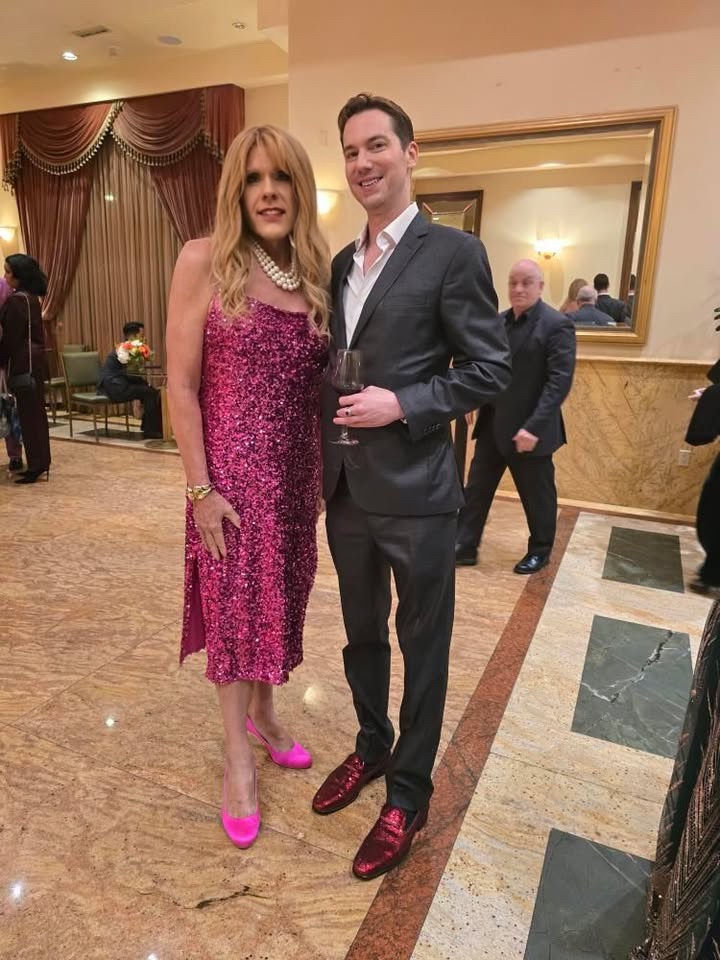
Frankly, I seldom wear midi dresses to formal events, unless I'm just over the moon when I try it on. That's my choice, exactly as I suggest in the paragraph above this one. But sometimes if it seems like the gala is tilted more toward "party" than "event" and if other women I know are signaling "midi" then my confidence level rises and it feels like the right choice


Comments