Edie's Closet
A practical way to think about what you already own and what you might add.
Edie’s Closet is not a list of must-haves or seasonal trends. It’s a way of thinking about formal dressing that starts with what you already own and builds from there.
Most black tie and formal looks are successful for the same reasons. They respect proportion, suit the setting, and feel intentional rather than improvised. This page focuses on those underlying principles so you can make thoughtful choices, whether you are shopping, renting, or styling pieces already in your wardrobe.
Silhouette Comes First
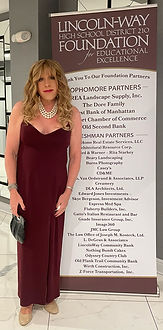
Before fabric or color, silhouette does the most work. Long lines tend to read more formal than broken ones, and structure usually signals intention.
For black tie events, floor-length gowns, elongated midis, and clean column shapes tend to work well. That does not mean volume or drama is off-limits, only that it should feel deliberate. When in doubt, consider how the shape reads from a distance, not just up close.
Fabric Signals the Level of Formality
Fabric often determines whether an outfit feels appropriate for evening. Materials like silk, satin, velvet, chiffon, and crepe tend to read more formal than cottons or casual knits.
This is especially helpful if you are choosing between two similar silhouettes. Often, the fabric is the deciding factor in whether something feels suited to a gala or better saved for a different setting.
Color and Embellishment
Dark neutrals, jewel tones, metallics, and soft pastels all have a place in formal dressing. What matters more than the color itself is how it is used.
Excessive embellishment can feel heavy, while no detail at all can feel unfinished. Aim for balance. If the dress is simple, accessories can do more work. If the dress is detailed, restraint elsewhere often reads more polished.
Shoes and Accessories
Shoes and accessories are often where outfits succeed or fall apart. Even a beautiful dress can feel off if the finishing pieces do not match the formality of the event.
Closed-toe heels, refined sandals, or elegant flats tend to work best for black tie settings. Bags should be small and intentional. Jewelry should feel considered rather than excessive.
Using What You Own
One of the most useful wardrobe skills is recognizing when an existing piece can work with thoughtful styling. A dress you have worn before may feel new again with different accessories, altered proportions, or a change in hair and makeup.
Before adding something new, it helps to look at your wardrobe through the lens of silhouette, fabric, and context rather than trend.
Edie’s Closet is meant to offer perspective, not prescriptions. Formal dressing is less about having the right pieces and more about understanding how those pieces work together. When you approach your wardrobe with that mindset, getting dressed becomes simpler and far more satisfying.